


news
CAMBRIDGE
Results 1601 - 1620 of 1682.
Health - 01.04.2011
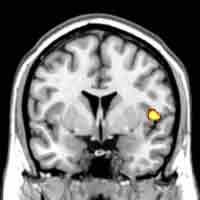
Brain scans of aggressive and antisocial teenage boys with conduct disorder (CD) have revealed differences in the structure of the developing brain that could link to their behaviour problems. The study, by neuroscientists at the University of Cambridge and the MRC Cognition and Brain Sciences Unit, reveals that the brain differences were present regardless of the age of onset of the disorder, challenging the view that adolescence-onset CD is merely a consequence of imitating badly behaved peers.
Health - 18.03.2011
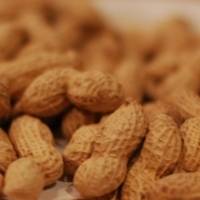
Allergy experts at the University of Cambridge have convincing evidence that a new treatment for peanut allergies is effective, following a three-year trial. The trial, from the group of Dr Pamela Ewan of the Department of Medicine and conducted at Addenbrooke's Hospital, involved a careful regime of feeding chocolate containing peanut flour in gradually increasing doses to patients with severe peanut allergies.
Health - Life Sciences - 17.03.2011
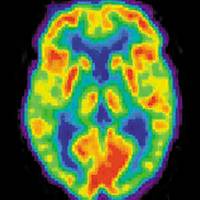
Drug abuse is probably linked to an in-built tendency to act without thinking, as shown by studies of siblings of chronic stimulant users, a leading neuroscientist will claim this week. Drawing on his research, Professor Trevor Robbins will argue that the risk-taking behaviour seen in drug abusers is not, as often thought, the result of drug-induced impaired brain function but instead is a factor that predisposes to drug taking in the first place.
Law - 16.03.2011

The complex question of how children should give evidence to court - particularly when it could be critical to convicting someone of child abuse - will be the subject of a University of Cambridge conference next month. The one-day conference, hosted by the University's Law Faculty, will bring together experts from various legal systems around the world, including some where mechanisms are already in place to prevent young children from having to go through the distressing experience of giving their evidence to full court during a trial.
Life Sciences - Health - 13.03.2011
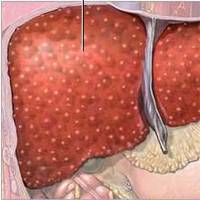
Researchers have provided new clues into the genetics underlying a chronic form of liver disease, called primary biliary cirrhosis, which can lead to transplant surgery for patients. The new study identifies 15 genetic regions that affect a person's risk of developing the disease, more than trebling the number of known genetic regions, which now stands at 22.
Health - Life Sciences - 08.03.2011
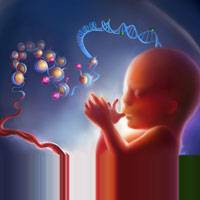
Research provides new insight into why poor diet during pregnancy negatively affects offspring's long term health. Poor diet during pregnancy increases offspring's vulnerability to the effects of aging, new research has shown for the first time. The research, by scientists from the University of Cambridge, provides important insight into why children born to mothers who consumed an unhealthy diet during pregnancy have an increased risk of type 2 diabetes (a significant contributing factor to heart disease and cancer) later in life.
Health - Agronomy & Food Science - 03.03.2011

Having diabetes in mid-life may reduce a person's life expectancy by an average of six years, according to a large, multinational study coordinated by the University of Cambridge. Diabetes is already known to approximately double the risk of heart attacks and strokes, but these new findings show that people with type 2 diabetes are also at greater risk of dying from several other diseases, including cancer and infection.
Health - 02.03.2011
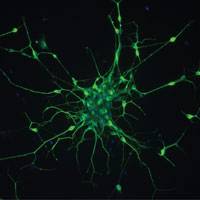
Scientists have discovered a new way to generate human motor nerve cells in a development that will help research into motor neurone disease. A team from the Universities of Cambridge, Edinburgh and Cardiff has created a range of motor neurons - nerves cells that send messages from the brain and spine to other parts of the body - from human embryonic stem cells in the laboratory.
Health - Life Sciences - 24.02.2011
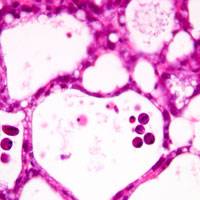
A novel mechanism of cell death that occurs in mammalian organisms has been revealed by researchers at the University of Cambridge. Billions of damaged or superfluous cells die in our bodies every day. It is thought that most cell death occurs by a process called apoptosis, in which biochemical events lead to cell changes and death.
Health - Life Sciences - 23.02.2011

Scientists have identified a diabetes drug which halves the mortality rate of a deadly infectious disease found throughout Southeast Asia and Northern Australia. Melioidosis, caused by a soil dwelling bacterium (Burkholderia pseudomallei) that is present in certain regions of the world, results in severe infections include bloodstream infections and pneumonia.
Health - Life Sciences - 23.02.2011
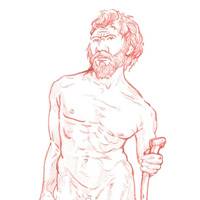
Research by a Cambridge archaeologist shows that back pain caused untold misery long before we started staring into screens and slumping on sofas. The high incidence of back pain apparent today is often blamed on our lazy lifestyles: we sit at computers, watch television, travel by car and eat too much.
Health - 21.02.2011
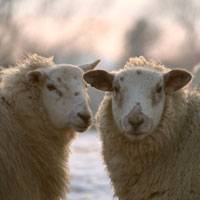
Scientists at the University of Cambridge have discovered that sheep are more intelligent than previously believed. Despite having a comparable brain size to other highly evolved animals, sheep have been historically perceived as unintelligent and were therefore not considered to be good animal models for studying diseases that affect learning and memory.
Health - 18.02.2011
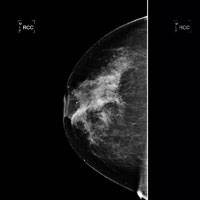
Scientists have pinpointed a key cancer-causing gene that, when overactive, triggers a particularly aggressive type of breast cancer to develop. This is the first time in over five years that scientists have discovered a new breast cancer 'oncogene' - cancer-causing genes that when overactive upset the normal checks and balances that control when and how often a cell divides.
Linguistics & Literature - History & Archeology - 17.02.2011

Launched as a reaction to the lack of outlets for challenging contemporary writing, a Cambridge-based journal is finding favour in the very places it aims to be the antidote for. One year on from its birth and with the fifth issue soon to be released, the Cambridge Literary Review continues to gain prominence, with a strong write up in the Times Literary Supplement and copies on sale in the Tate Modern bookshop amongst others.
Environment - Earth Sciences - 16.02.2011
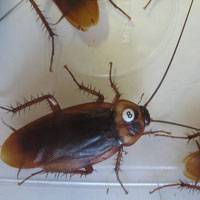
Researchers discover an 'atmospheric imprint' in insects, revealing where they are most likely to survive should climate change alter their ecosystem. Scientists have discovered that insects contain atomic clues as to the habitats in which they are most able to survive. The research has important implications for predicting the effects of climate change on the insects, which make up three-quarters of the animal kingdom.
Physics - Chemistry - 16.02.2011

An international team of astronomers have identified a thick stellar disc in the Andromeda galaxy, which will help them to understand more about how our own Milky Way and other galaxies evolved. The University of Cambridge-led study involved researchers from the UK, US and Europe, and marks the first time that the "thick disc" in Andromeda, which contains old stars, has been identified.
Administration - Health - 10.02.2011

A new study from Utrecht and Cambridge Universities has for the first time found that an administration of testosterone under the tongue in volunteers negatively affects a person's ability to 'mind read', an indication of empathy. In addition, the effects of testosterone administration are predicted by a fetal marker of prenatal testosterone, the 2D:4D ratio.
Health - Life Sciences - 08.02.2011
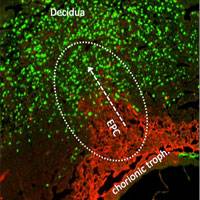
Paternal genes advise maternal immune cells on how to build the best womb for developing foetuses. Researchers at the University of Cambridge and the Babraham Institute have identified a mechanism by which specific combinations of genes can lead to miscarriage and other complications in pregnancies.
Health - 31.01.2011

Cambridge research funded by the health charity Diabetes UK has for the first time successfully demonstrated the potential of an artificial pancreas in pregnant women with Type 1 diabetes. It is hoped the development could drastically reduce cases of stillbirth and mortality rates among pregnant women with the condition.
History & Archeology - 27.01.2011
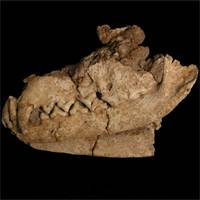
Early humans may have preferred the fox to the dog as an animal companion, new archaeological findings suggest. Researchers analysing remains at a prehistoric burial ground in Jordan have uncovered a grave in which a fox was buried with a human, before part of it was then transferred to an adjacent grave.


