Back ache: it’s been a pain for millions of years
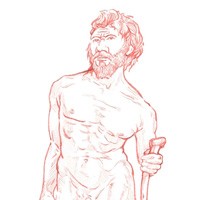
Research by a Cambridge archaeologist shows that back pain caused untold misery long before we started staring into screens and slumping on sofas. The high incidence of back pain apparent today is often blamed on our lazy lifestyles: we sit at computers, watch television, travel by car and eat too much. But debilitating back ache is nothing new: it dates back millions of years to an era long before screens and sofas, according to a Cambridge University researcher who is looking at the fossil record of human bones. In a talk called "Four Million Years of Back Pain" on 25 February, Dr Asier Gomez-Olivencia will present the latest results of his research on the damaged spine of an early hominin called Homo heidelbergensis. He will set this in the context of the diseases evident in the fossil record of the hominin spine from australopithecines to Neandertals - a time span stretching from 4.4 million to 30,000 years ago. Gomez-Olivencia will also discuss the possibility that disabled members of early human communities may have been looked after by the rest of the group for significant periods of time, confounding popular stereotypes of these societies as brutal and uncaring. Found among the bones of around 28 individuals at a site called Sima de los Huesos (pit of bones) in northern Spain, the almost-complete lumbar spine caused huge excitement when it was carefully reconstructed from fragments discovered during different field seasons by a team of scientists from the Centro Mixto de Evolución Humana in Burgos.
TO READ THIS ARTICLE, CREATE YOUR ACCOUNT
And extend your reading, free of charge and with no commitment.