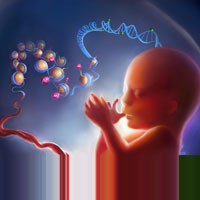
You are what your mother ate
Research provides new insight into why poor diet during pregnancy negatively affects offspring's long term health. Poor diet during pregnancy increases offspring's vulnerability to the effects of aging, new research has shown for the first time. The research, by scientists from the University of Cambridge, provides important insight into why children born to mothers who consumed an unhealthy diet during pregnancy have an increased risk of type 2 diabetes (a significant contributing factor to heart disease and cancer) later in life. "What is most exciting about these findings is that we are now starting to really understand how nutrition during the first nine months of life spent in the womb shape our long term health by influencing how the cells in our body age," said Dr Susan Ozanne, the senior author on the paper and British Heart Foundation Senior Fellow from the Institute of Metabolic Science at the University of Cambridge. It is well established that environmental factors interact with genes throughout life, affecting the expression of those genes and, consequently, tissue function and disease risk. Diet during critical periods of development, such as during the nine months in the womb, has been cited as one such environmental factor. Epigenetics, which refers to modifications to the DNA that regulate how much of a gene is produced, has been suggested to underlie these effects.
TO READ THIS ARTICLE, CREATE YOUR ACCOUNT
And extend your reading, free of charge and with no commitment.