Consortium finds chronic liver cirrhosis clues
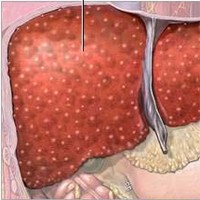
Researchers have provided new clues into the genetics underlying a chronic form of liver disease, called primary biliary cirrhosis, which can lead to transplant surgery for patients. The new study identifies 15 genetic regions that affect a person's risk of developing the disease, more than trebling the number of known genetic regions, which now stands at 22. The study was based on the genomes of 2,500 patients with primary biliary cirrhosis and more than 7,500 apparently healthy people. The results are the first to emerge from the Wellcome Trust Case Control Consortium 3 (WTCCC3) project, a collaboration of UK scientists and clinicians, which aims to unravel the role of genetic variation in several human diseases. The findings suggest that several key immune processes underlie susceptibility to primary biliary cirrhosis (PBC). Patients with primary biliary cirrhosis suffer irritation and swelling of the bile ducts of the liver - blocking the flow of bile, which normally aids digestion. The obstruction damages liver cells and leads to scarring, known as cirrhosis.
TO READ THIS ARTICLE, CREATE YOUR ACCOUNT
And extend your reading, free of charge and with no commitment.