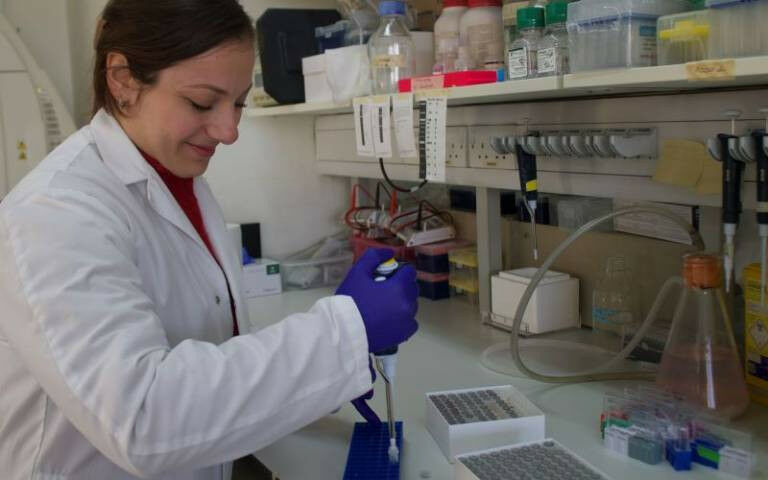
neurogenetics lab
neurogenetics lab - Rare diseases are varied and life-threatening, yet most still remain undiagnosed and have no effective treatments. Now, scientists at the UCL Neurogenetics Lab are focusing on these conditions, to find diagnoses and treatments that could be crucial for scientific discovery. There is a common misconception that rare diseases only affect a small number of people. Yet there are currently 350 million patients who have a rare disease globally and around one in 17 people are affected by them at some point in their lives. Scientists estimate there are more than 7,000 rare diseases in total - including Huntington's disease, cystic fibrosis and muscular dystrophy. And they affect around 3.5 million people in the UK and 30 million across Europe. Rare diseases are notoriously difficult to diagnose, and it can take years for patients to discover the cause of their symptoms.
TO READ THIS ARTICLE, CREATE YOUR ACCOUNT
And extend your reading, free of charge and with no commitment.