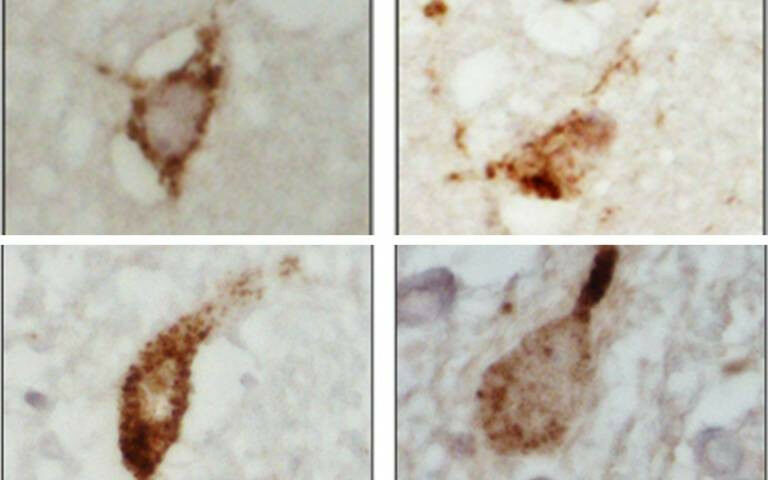
ALS neurons
ALS neurons - A pioneering new study led by UCL and National Institutes of Health (NIH) scientists has revealed, for the first time, why a common genetic variant worsens disease outcomes for people with the devastating adult-onset neurodegenerative diseases ALS and FTD. Published in Nature , the study shows how TDP-43 protein depletion, associated with almost all cases (97%) of vALS amyotrophic lateral sclerosis (ALS) a nd half of frontotemporal dementia ( FTD) cases, corrupts the genetic instructions for the critical neuronal protein UNC13A. Strikingly, it found that a mysterious genetic variant previously associated with disease risk increases the chance of UNC13A's genetic instructions being corrupted among people with the diseases, thereby worsening risk and severity of ALS and FTD. UNC13A enables neurons (nerve cells) to communicate with each other via neurotransmitter release, and data from animal models suggests its loss from neurons can be fatal. The researchers believe that the corruption of UNC13A's genetic instructions in patients may have similarly harmful consequences. ALS is the most common motor neuron disease and there is no known cure; it affects the brain and spinal cord by attacking the neurons and nerves which control movement, causing them to die. There is currently only one approved drug for ALS in the UK, which extends lifespan by a few months, and is only effective for a tiny minority of patients.
TO READ THIS ARTICLE, CREATE YOUR ACCOUNT
And extend your reading, free of charge and with no commitment.