


Natural Sciences
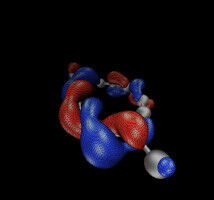
Oval orbit casts new light on black hole-neutron star merger
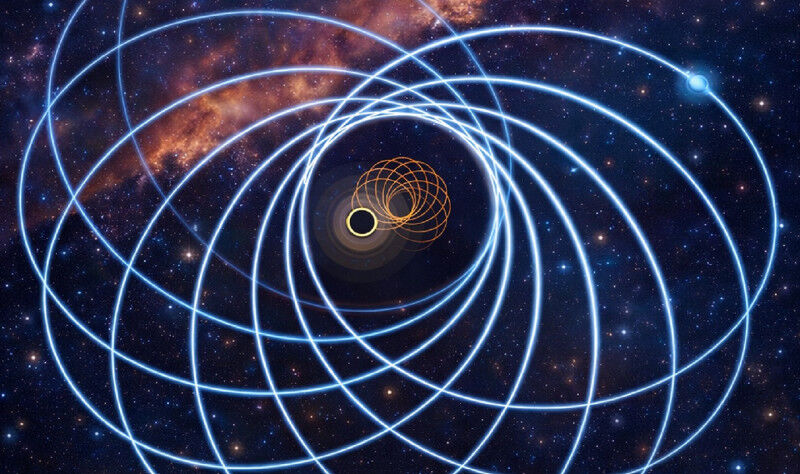
Breakthrough discovery provides new clues about how these celestial bodies - that push the known laws of physics to their limits - find each other.
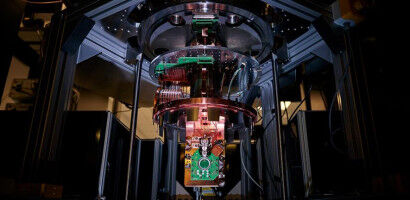
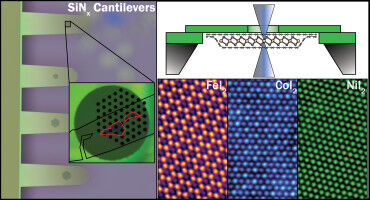
Large area MoS2 reduces energy loss in magnetic memory films
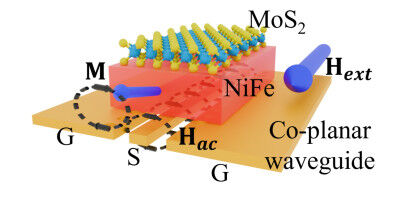
Scientists at the University of Manchester have discovered that placing magnetic films on atomically thin molybdenum disulfide (MoS2) fundamentally changes how they lose energy, a finding that could bring 2D-material spintronics a step closer to real devices.
Forty years' data give unique insight into Sun’s inner life
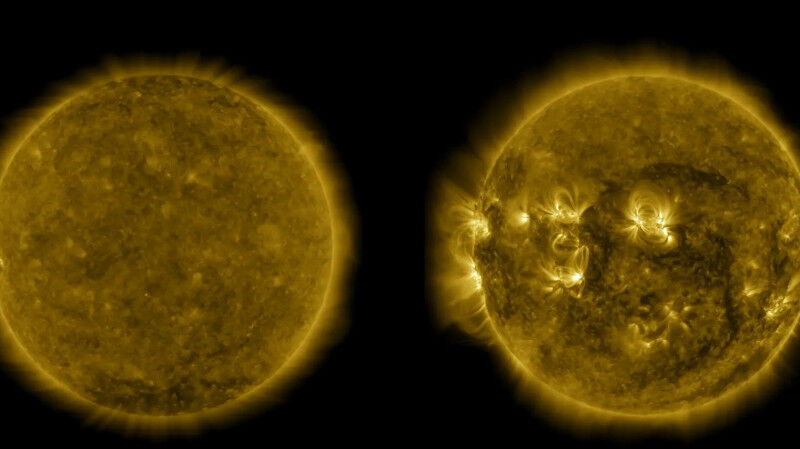
Scientists reveal that even small differences in solar magnetic activity produce detectable changes inside the Sun.
New research could help lithium-ion batteries reach their full potential
New research into why lithium-ion batteries tend to lose power over cycles of charge and discharge could help unlock the next generation of more durable, fast-charging power cells. An international team of chemists and engineers from the UK, China, and Germany have published a paper which challenges the conventional assumptions about how batteries should be optimised to maximise performance, highlighting the importance of electrical, rather than ionic, conductivity.
Software tool shows potential for cost effective coastal erosion monitoring
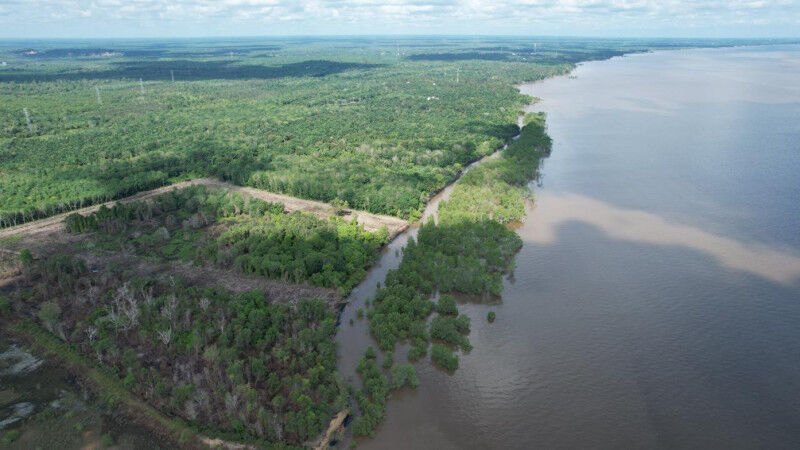
A tool originally designed to monitor the erosion of Scotland's coast has proven its worth on a tropical island the other side of the world.
Selected Jobs


Last job offers
- Mathematics - 14.3
Research Fellow (11324-0226)University of Warwick
- Chemistry - 14.3
Assistant Professor in Chemistry x2 (111367-0226)University of Warwick - Pedagogy - 14.3
Assistant Clinical Professor (Teaching Only) (111350-0326)University of Warwick - Social Sciences - 14.3
Research Fellow (111364-0226)University of Warwick - Life Sciences - 10.3
Project Coordinator with QM responsibility (80–100%)CK-CARE AG - Pedagogy - 14.3
Research Assistant (Public Engagement Officer) (111386-0326)University of Warwick - Mathematics - 14.3
Marie Sklodowska-Curie Fellow (111382-0326)University of Warwick - Pedagogy - 14.3
Assistant Professor in the History of the Ancient Mediterranean (Ancient Numismatics) (111383-0326)University of Warwick