


Natural Sciences - Materials Science
Large area MoS2 reduces energy loss in magnetic memory films
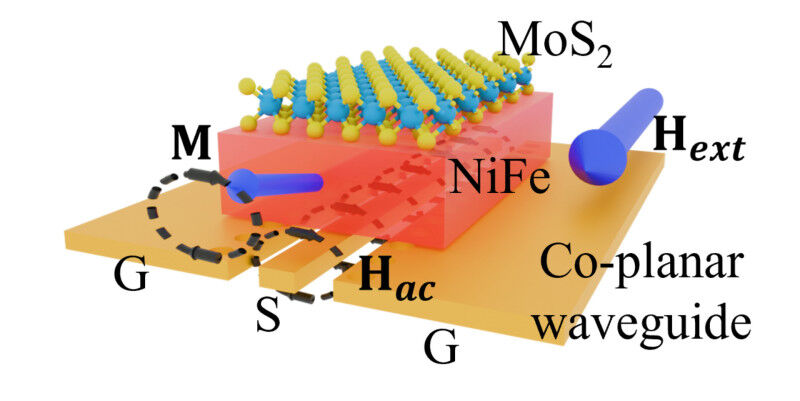
Scientists at the University of Manchester have discovered that placing magnetic films on atomically thin molybdenum disulfide (MoS2) fundamentally changes how they lose energy, a finding that could bring 2D-material spintronics a step closer to real devices.
New research could help lithium-ion batteries reach their full potential
New research into why lithium-ion batteries tend to lose power over cycles of charge and discharge could help unlock the next generation of more durable, fast-charging power cells. An international team of chemists and engineers from the UK, China, and Germany have published a paper which challenges the conventional assumptions about how batteries should be optimised to maximise performance, highlighting the importance of electrical, rather than ionic, conductivity.
First atomic-scale images of monolayer transition metal diiodides
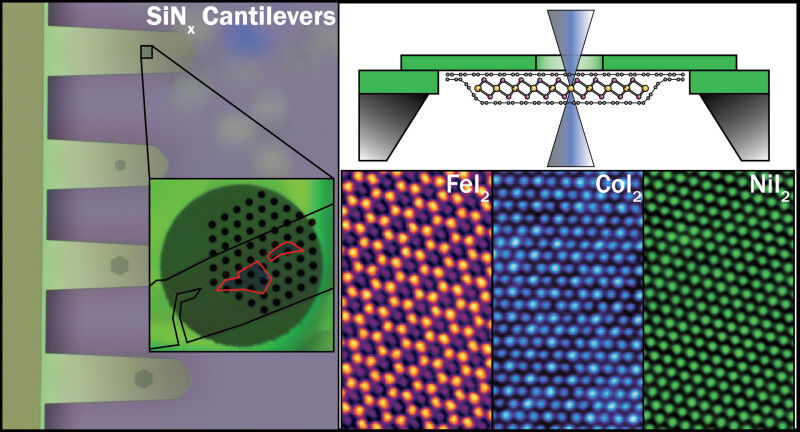
Two-dimensional (2D) materials promise revolutionary advances in electronics and photonics, but many of the most interesting candidates degrade within seconds of air exposure, making them nearly impossible to study or integrate into real-world technology.
Regius Professor Philip Withers takes up joint appointment between the Universities of Manchester and Monash

Regius Professor Philip Withers FRS FREng has taken up a five-year joint appointment between The University of Manchester and Monash University in Melbourne, Australia, strengthening strategic links between the two institutions.
Graphene-based ’artificial skin’ brings human-like touch closer to robots
Robots are becoming increasingly capable in vision and movement, yet touch remains one of their major weaknesses. Now, researchers have developed a miniature tactile sensor that could give robots something much closer to a human sense of touch.
Manchester leads global study to set graphene quality standard
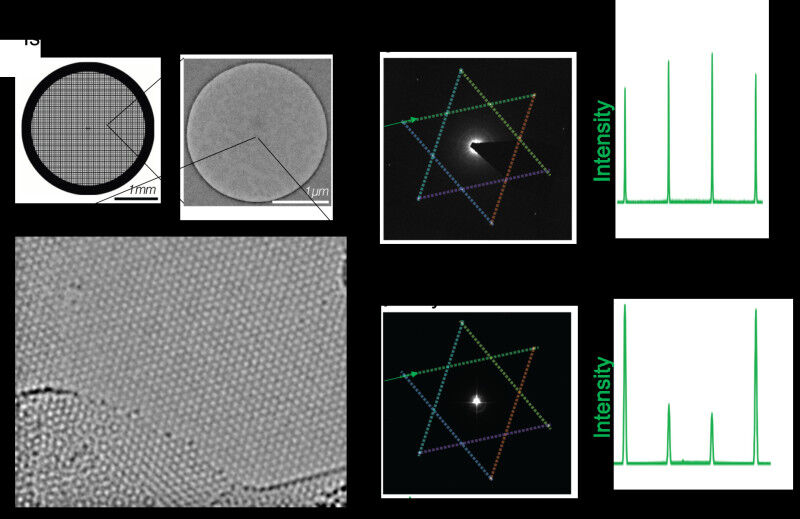
Graphene could transform everything from electric cars to smartphones, but only if we can guarantee its quality.
Stronger, longer-lasting perovskite solar cells
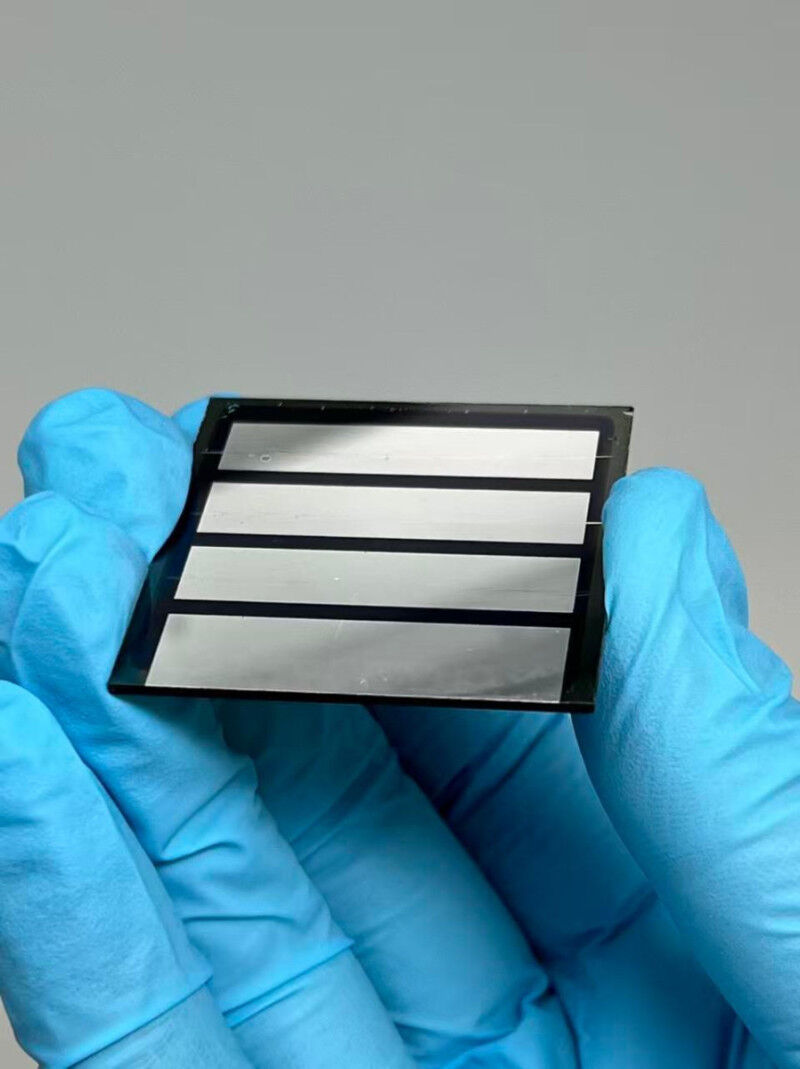
Scientists have found a way to make perovskite solar cells not only highly efficient but also remarkably stable, addressing one of the main challenges holding the technology back from widespread use.
Selected Jobs
Research Associate / Fellow in Electrochemistry (Fixed-Term) University of Nottingham


Job Offers in this Category
- Mathematics - 14.3
Marie Sklodowska-Curie Fellow (111382-0326)University of Warwick
- Chemistry - 11.3
Research Associate / Fellow in Electrochemistry (Fixed-Term)University of Nottingham - Physics - 6.3
Postdoctoral Research Assistant in Metal Halide PerovskitesUniversity of Oxford