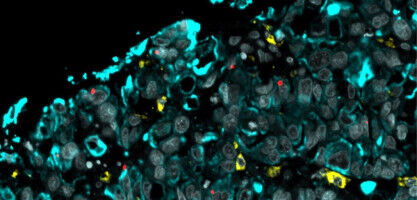
High-sugar diet programmes a short lifespan in flies
Flies with a history of eating a high sugar diet live shorter lives, even after their diet improves. This is because the unhealthy diet drives long-term reprogramming of gene expression, according to a UCL-led team of researchers. The study, published today in Cell Reports , discovered that the action of a gene called FOXO is inhibited in flies given a high sugar diet in early life, causing long-term effects. The FOXO gene is important for longevity in a wide variety of species, including yeast, flies, worms and humans, so the team say the findings may have broad implications. 'Dietary history has a long lasting effect on health, and now we know a mechanism behind this. We think the reprogramming of the flies' genes caused by the high sugar diet might occur in other animals. We don't know that it happens in humans, but the signs suggest that it could,' said first author, Dr Adam Dobson, UCL Institute of Healthy Ageing.