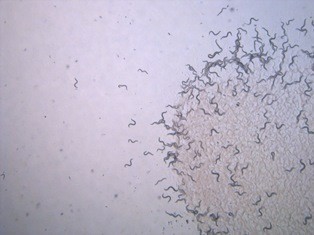
Non-parasitic worm Caenorhabditis elegans
We use cookies to ensure that we give you the best experience on our website. You can change your cookie settings at any time. Otherwise, we'll assume you're OK to continue. Investment in innovative science could reduce need for animal research Durham University has been awarded £74,993 to reduce animal use in science and improve animal welfare. Dr David Weinkove, in Durham's School of Biological and Biomedical Sciences, will use the money to fund a pilot study to produce proteins from nematode worms for research and therapeutic use. The funding, which will be shared with Professor William Harnett at the University of Strathclyde, has been funded by the UK's National Centre for the Replacement, Refinement and Reduction of Animals in Research (NC3Rs). In total NC3Rs has awarded 20 research and technology development grants, worth £4.8million to universities, specialist institutes and small-to-medium-sized enterprises (SMEs) across the UK.
TO READ THIS ARTICLE, CREATE YOUR ACCOUNT
And extend your reading, free of charge and with no commitment.