This finding is important as it’s one of the first convincing examples we have of one mutation influencing the effect of another mutation in the development of a relatively common disease. This is exciting because it implies that there may be other examples of this phenomenon in other common diseases that we don?t know about yet.
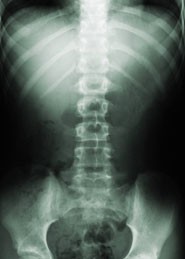
Researchers are one step closer to understanding how an individual's genetic make-up predisposes them to Ankylosing Spondylitis (AS), a common auto-immune arthritis which causes pain and stiffness of the spine, and in serious cases, progressive fusion of the vertebrae and other affected joints. The study is published today. The team of researchers from the Universities of Bristol, Queensland (Australia), Oxford, Texas and Toronto, used a technique called genome-wide association where millions of genetic markers are measured in thousands of people that have the disease and thousands of healthy individuals. Markers which are more frequent in individuals with the disease are more likely to be involved in the condition. Using this approach the investigators found an additional seven genes likely to be involved in the condition, bringing the total number of genes known to predispose to AS to thirteen. Many of the new genes are already known to be involved in inflammatory and immune processes, providing researchers with further clues about how the disease arises. Two of the new genes are also known to predispose to other auto-immune conditions including Crohn's disease (a form of inflammatory bowel disease) and Celiac disease (an auto-immune intestinal disease).
TO READ THIS ARTICLE, CREATE YOUR ACCOUNT
And extend your reading, free of charge and with no commitment.