This new information will help us to design treatments that could help in the fight against heart disease.
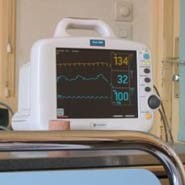
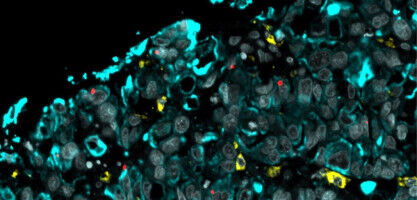
Excessive release of calcium inside cardiac muscle can cause sudden cardiac death in heart failure patients. New research has revealed how this could happen, opening up new possibilities for combating heart disease. Calcium plays a vital role in regulating cardiac muscle contraction. With each heartbeat, calcium is released from intracellular stores known as the sarcoplasmic reticulum (SR), through specialised channels called ryanodine receptors (RyR2). The normal trigger for this response is calcium itself, in a process known as calcium-induced calcium-release. Experts in physiology and pharmacology from the University of Bristol conducted a series of tests which showed that a protein called protein kinase C (PKC) can cause excessive openings of these RyR2 channels, causing too much calcium to be released into the cardiac muscle. Reporting their findings in the Journal of Membrane Biology, the researchers describe how this excess of calcium could lead to a disturbance in the normal rhythm of the heart, referred to as arrhythmias.
TO READ THIS ARTICLE, CREATE YOUR ACCOUNT
And extend your reading, free of charge and with no commitment.