These findings are not going to revolutionise the treatment of Alzheimer’s disease or other forms of cognitive impairment overnight. However, national and international funding bodies have recently made research into aging and dementia a top priority so we expect many more advances in our understanding of the mechanisms underlying learning and memory in both health and disease.
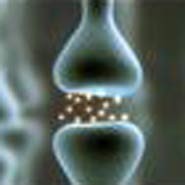
Medical researchers have found a missing link that explains the interaction between brain state and the neural triggers responsible for learning, potentially opening up new ways of boosting cognitive function in the face of diseases such as Alzheimer's as well as enhancing memory in healthy people. Much is known about the neural processes that occur during learning but until now it has not been clear why it occurs during certain brain states but not others. Now researchers from the University of Bristol have been able to study, in isolation, the specific neurotransmitter which enhances learning and memory. Acetylcholine is released in the brain during learning and is critical for the acquisition of new memories. Its role is to facilitate the activity of NMDA receptors, proteins that control the strength of connections between nerve cells in the brain. Currently, the only effective treatment for the symptoms of cognitive impairment seen in diseases such as Alzheimer's is through the use of drugs that boost the amount of acetylcholine release and thereby enhance cognitive function. Describing their findings in the journal Neuron , researchers from Bristol's School of Physiology and Pharmacology have shown that acetylcholine facilitates NMDA receptors by inhibiting the activity of other proteins called SK channels whose normal role is to restrict the activity of NMDA receptors.
TO READ THIS ARTICLE, CREATE YOUR ACCOUNT
And extend your reading, free of charge and with no commitment.