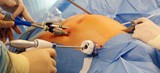
Laparoscopic surgery is a safe, effective way of removing bowel tumours and should be offered to all patients undergoing surgery for colorectal cancer, according to University of Leeds researchers.
Patients who have laparoscopic or 'keyhole' surgery spend less time in hospital and recover more quickly from the operation. Now long-term follow-up data has confirmed that this way of doing surgery does not make patients with colorectal cancer more vulnerable to the disease returning, as some had feared. And overall survival rates for keyhole surgery are just the same as those for conventional, open surgery, researchers concluded after tracking the progress of patients for five years. The results are the latest from the CLASICC trial - a multicentre study funded by the Medical Research Council that involved around 400 patients with colon cancer and another 400 with rectal cancer. The trial drew on patients from 27 hospitals across the UK and unlike other head-to-head assessments of these two surgical techniques, included a detailed analysis of all tissue samples that were removed to assess the quality of surgery. Initial results from the study, published previously, showed that keyhole surgery was as safe as open surgery for colorectal cancer and that in the short term the cancer was no more likely to return. These findings contributed to the decision by the UK National Institute of Clinical Excellence (NICE) and European regulators to back the use of laparoscopic techniques by surgeons for the treatment of colon and bowel cancers.
TO READ THIS ARTICLE, CREATE YOUR ACCOUNT
And extend your reading, free of charge and with no commitment.