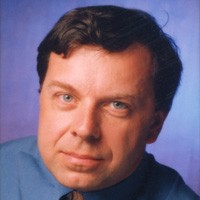
Leading journalist to address the impact of science controversies
The editor-in-chief of the influential science publication Nature is to give a talk at Cambridge about how scientists should react when their research comes under attack in public debates. The recent climate change controversy has thrown the scientific research process under the microscope. Scientists' response to it and other controversial issues, including the MMR vaccine and cognitive enhancing drugs, will be discussed by Dr Philip Campbell in a Gates Distinguished Lecture entitled Science - Facts and Frictions - on 28 April. He says: "The processes of science in these cases were no different in kind from those in calmer territories, such as cancer research, where the public not only trusts researchers but directly donates half a billion pounds every year in their support. Why are there such contrasts? And what can scientists and others do in response to such attacks?" He says some scientists and a few institutions have started to address the public directly through the Internet. He is particularly interested in groups of scientists who regularly produce blogs in order to help the public and journalists gain access to their perspectives on scientific developments and controversies. Dr Campbell himself became involved in the latest "climate gate" debate when he stood down from his post on the panel set up to investigate claims that climate change scientists at the University of East Anglia covered up data.
TO READ THIS ARTICLE, CREATE YOUR ACCOUNT
And extend your reading, free of charge and with no commitment.