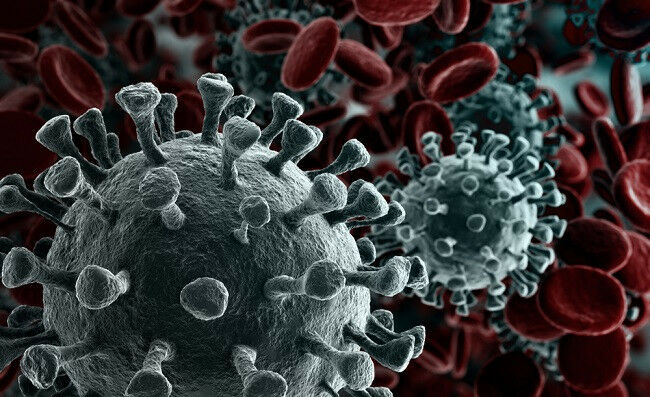
New research has disentangled the complex evolutionary history of bat coronaviruses related to SARS-CoV-2, the virus responsible for COVID-19. Scientists agree that bats are the most likely animal host species of SARS-CoV-2 viral ancestors, however no one has yet been able to fully explain the virus's history or pinpoint the animal species that ultimately passed the new coronavirus to humans. Now, in a new study led by the MRC-University of Glasgow Centre for Virus Research in collaboration with a team of international scientists, researchers have been able to find out more than ever before about the evolutionary history of SARS-CoV-2, unambiguously tracing the virus origins to horseshoe bats. The new study is published in Genome Biology and Evolution. This latest research takes a look at the viral evolution of the SARS-related coronaviruses by investigating the evolutionary history of co-circulating bat coronaviruses and the phenomenon of virus recombination - when a host bat is infected with two coronaviruses at once and the viruses swap bits of their genetic material inside host cells to create a new, 'recombinant' virus. Recombination is common, and the process is used by many viruses, including coronaviruses, to generate novel genome forms, which contribute to virus adaptation and persistence. The study demonstrates how vital it is to take recombination into account, by looking at the past evolutionary history of these SARS-related coronaviruses.
TO READ THIS ARTICLE, CREATE YOUR ACCOUNT
And extend your reading, free of charge and with no commitment.