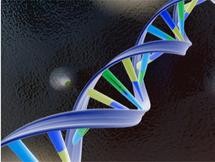
Scientists found evidence of ancient viruses in the DNA of modern humans
Ancient viruses from Neanderthals have been found in modern human DNA by researchers at Oxford University and Plymouth University. The researchers compared genetic data from fossils of Neanderthals and another group of ancient human ancestors called Denisovans to data from modern-day cancer patients. They found evidence of Neanderthal and Denisovan viruses in the modern human DNA, suggesting that the viruses originated in our common ancestors more than half a million years ago. This latest finding, reported in Current Biology , will enable scientists to further investigate possible links between ancient viruses and modern diseases including HIV and cancer, and was supported by the Wellcome Trust and Medical Research Council (MRC). Around 8% of human DNA is made up of 'endogenous retroviruses' (ERVs), DNA sequences from viruses which pass from generation to generation. This is part of the 90% of our DNA with no known function, sometimes called 'junk' DNA. 'I wouldn't write it off as "junk" just because we don't know what it does yet,' said Dr Gkikas Magiorkinis, an MRC Fellow at Oxford University's Department of Zoology.
TO READ THIS ARTICLE, CREATE YOUR ACCOUNT
And extend your reading, free of charge and with no commitment.