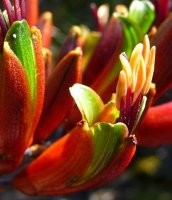
Many plants used for their healing powers in traditional medicine are related to one another, despite being found continents apart
Many plants used for their healing powers in traditional medicine around the world have been shown to be related to one another, despite being discovered continents and centuries apart. Scientists studied over 1,500 medicinal plants from three continents and found that time and again people were independently using closely related plants to treat the same ailments. They have now drawn up a family tree covering these and 20,000 other species of plants, which they say can help identify more plants with undiscovered medicinal properties. In one example, plants from the soapberry family are used by people in Nepal, the Cape of South Africa and New Zealand to take care of gastro-intestinal ailments. Following the results of the study the scientists have suggested that the closely related maple or lychee trees could yield clues to new modern treatments for similar medical problems. The research is published today in the journal Proceedings of the National Academy of Sciences by scientists at the University of Reading, The Royal Botanic Gardens, Kew and Imperial College London. The scientists say their results could enhance the success rate of companies involved in bio-prospecting, the search for new economically-valuable biomedical treatments.
TO READ THIS ARTICLE, CREATE YOUR ACCOUNT
And extend your reading, free of charge and with no commitment.