Scientists shed new light on link between ’killer cells’ and diabetes
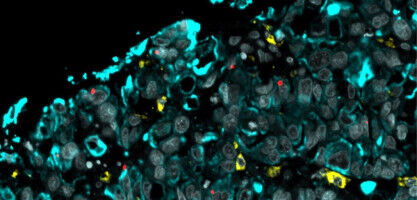
Killer T-cells in the human body which help protect us from disease can inadvertently destroy cells that produce insulin, new research by scientists at King's College London has uncovered. The study provides the first evidence of this mechanism in action and could offer new understanding of the cause of Type 1 diabetes. Researchers from King's worked alongside Professor Andy Sewell, an expert in human T-cells from Cardiff University's School of Medicine, to better understand the role of T-cells in the development of Type 1 diabetes. The team isolated a T-cell from a patient with Type 1 diabetes to view a unique molecular interaction which results in the killing of insulin-producing cells in the pancreas. Professor Mark Peakman from the National Institute for Health Research (NIHR) Biomedical Research Centre at King's and Guy's and St Thomas' NHS Foundation Trust said: 'This first sight of how killer T-cells make with the cells that make insulin is very enlightening, and increases our understanding of how Type 1 diabetes may arise. 'This knowledge will be used in the future to help us predict who might get the disease and also to develop new approaches to prevent it. Our aim is to catch the disease early before too many insulin-producing cells have been damaged.' 'Type 1 diabetes is a result of the body's own immune system attacking and destroying the cells in the pancreas that manufacture the hormone insulin.