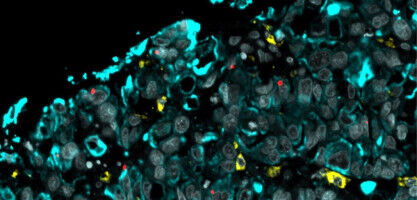
Treatment breakthrough for rare disease linked to diabetes
University of Manchester scientists have led an international team to discover new treatments for a rare and potentially lethal childhood disease that is the clinical opposite of diabetes mellitus. Congenital hyperinsulinism (CHI) is a condition where the body's pancreas produces too much insulin - rather than too little as in diabetes - so understanding the disease has led to breakthroughs in diabetes treatment. This latest study, published in the journal Diabetes today (Wednesday), was carried out with clinical colleagues at hospitals throughout Europe and at the two referral centres for hyperinsulinism in the UK, the Royal Manchester Children's Hospital and Great Ormond Street Hospital, London. "In healthy insulin-producing cells of the pancreas, a small group of proteins act as switches and regulate how much insulin is released,” said Dr Karen Cosgrove, who led the research with Professor Mark Dunne in Manchester's Faculty of Life Sciences. "When these proteins fail to function the cells can either release too little insulin - resulting in diabetes mellitus, or too much insulin - leading to congenital hyperinsulinism. She continued: "CHI causes dangerously low blood sugar levels which can lead to convulsions and brain damage if not treated promptly. It is a complex condition caused by gene defects that keep the insulin-producing cells switched on when they should be switched off.