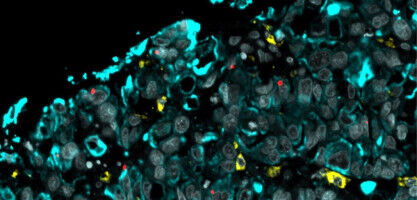
Stopping the spread of malaria
PA 254/10 Research led by The University of Nottingham has opened up a new area of malaria parasite biology which could lead to new methods of controlling the transmission of this deadly disease. Malaria threatens 40 per cent of the world's human population. It causes disease in 300 million people and kills up to a million children every year. Research published today in the journal PLoS ONE has identified a protein, PF16, which is critical in the development of the malaria parasite — specifically the male sex cells (gametes) — which are essential in the spread by mosquitoes of this lethal parasite. The study, led by The University of Nottingham, has found a way of disabling the PF16 protein that contains a structure called an Armadillo repeat. Dr Rita Tewari, from the Institute of Genetics at The University of Nottingham said: "Male gametes move using flagella, which are ancient structures that are formed in a unique way in the malaria parasite. This is the first report describing the role of the Armadillo repeat protein PF16 in the flagellar biology of male sex cells in malaria.