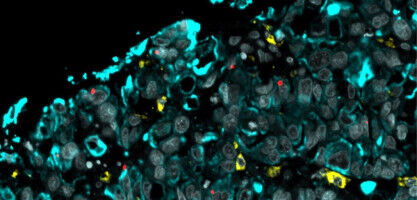
Researchers have identified a new protein involved in the development of drug resistance in breast cancer which could be a target for new treatments
Researchers have identified a new protein involved in the development of drug resistance in breast cancer which could be a target for new treatments, they report today Medicine. In a mouse model of breast cancer, blocking production of the protein using genetic techniques caused tumours to shrink. The scientists are now looking for new drugs which could achieve a similar effect. Breast cancer is the most common cancer in the UK, affecting about 46,000 women each year. More than two thirds of breast tumours contain oestrogen receptors, meaning that they require the hormone oestrogen to grow and they can be treated with anti- oestrogen drugs such as tamoxifen. However, many patients develop resistance to these treatments so that the drugs eventually cease to be effective. In today's study, researchers from Imperial College London found that blocking a protein called LMTK3 in human cancer cells that were resistant to tamoxifen made the cells more responsive to the drug.
TO READ THIS ARTICLE, CREATE YOUR ACCOUNT
And extend your reading, free of charge and with no commitment.