Imperial research paves the way to creating new medicines that combat drug-resistant and deadly strains of fungal infections
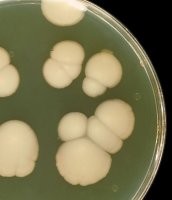
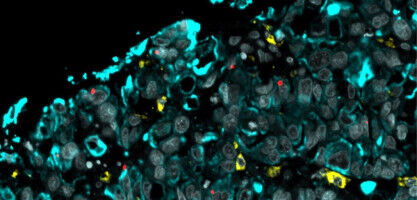
Researchers are a step closer towards creating a new class of medicines and vaccines to combat drug-resistant and deadly strains of fungal infections, following a new study published today in Proceedings of the National Academy of Sciences . Yeast infections are the fourth most common cause of infection acquired by people in hospitals, although in healthy people they are most usually associated with vaginal or oral yeast infections known as thrush. In extreme cases in vulnerable patients, such yeasts can circulate in the bloodstream and spread throughout the body, causing systemic candidiasis. This is life-threatening in around half of patients when the infection spreads in this way. Researchers from Imperial College London have now found out yeast cells identify and attach to human tissue in order to colonise it and cause an infection. They have identified the key features in this process and now plan to create and test prototype drug-like molecules that interfere with the yeast and prevent the infection from taking hold. There are already treatments that are effective at suppressing yeast infections and eliminating them from medical equipment, but microorganisms are constantly evolving to outsmart existing drugs and many strains of yeast have already become completely resistant to antifungal treatments.
TO READ THIS ARTICLE, CREATE YOUR ACCOUNT
And extend your reading, free of charge and with no commitment.