Breakthrough in protecting global crops from disease
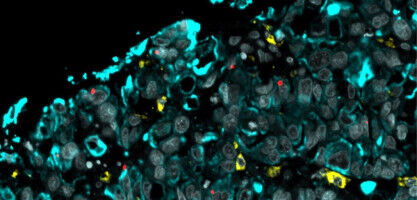
A new form of resistance to fungal disease has been discovered in oilseed rape, one of the world's most important crops, which could hold the key to developing disease resistant crops. Oilseed rape (Brassica napus) is attacked by the Light Leaf Spot fungus (Pyrenopeziza brassicae), which can reduce yields by a third. Until now one of the main forms of protection has come from spraying crops with fungicides. This year a record number of crops were affected by the disease in the UK. Now a team of scientists from The University of Nottingham, Rothamsted Research and KWS UK Ltd, have used plant breeding methods to discover a new form of built-in resistance to the light leaf spot fungus. They have shown how a so-called "R gene" which produces a protein inside the plant stops the pathogen reproducing asexually during the growing and cropping season, but still allows sexual reproduction at the end of the season. This significantly reduces the chances of light leaf spot disease becoming established and spreading in growing crops.