Pairing old technologies with new for next generation electronic devices
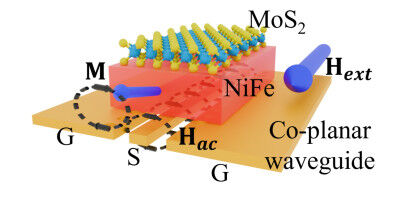
UCL scientists have discovered a new method to efficiently generate and control currents based on the magnetic nature of electrons in semi-conducting materials, offering a radical way to develop a new generation of electronic devices. One promising approach to developing new technologies is to exploit the electron's tiny magnetic moment, or 'spin'. Electrons have two properties - charge and spin - and although current technologies use charge, it is thought that spin-based technologies have the potential to outperform the 'charge'-based technology of semiconductors for the storage and process of information. In order to utilise electron spins for electronics, or 'spintronics', the method of electrically generating and detecting spins needs to be efficient so the devices can process the spin information with low-power consumption. One way to achieve this is by the spin-Hall effect, which is being researched by scientists who are keen to understand the mechanisms of the effect, but also which materials optimise its efficiency. If research into this effect is successful, it will open the door to new technologies. The spin-Hall effect helps generate 'spin currents' which enable spin information transfer without the flow of electric charge currents.