Understanding lipids
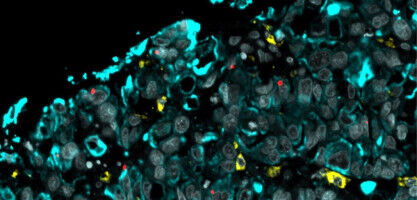
Establishing a clearer understanding of the role lipids (or fats) play in the development of heart disease and dementia has received a major €3M funding boost through the University's first European Research Council Advanced Grant award for Life Sciences research. Awarded to Professor Valerie O'Donnell's Lipidomic Group based in the School of Medicine the funding will help the Group determine the total number and diversity of lipids in two types of blood cells that help us fight infection and prevent bleeding. Lipids (or fats) are molecules the body uses to regulate normal processes including blood clotting, fighting infection and development. In diseases such as heart disease, cancer and dementia, lipids are not regulated as normal. While many lipids are known, cells are likely have thousands more that remain to be discovered. "We really do not know just how many unique lipids our cells contain and how these change during development and disease," according to Professor O'Donnell, who leads the research. "We hope to find new families of lipids that have never been seen before. We will then study samples from humans who are genetically predisposed to developing cardiovascular disease or dementia with the aim of discovering new lipids that are involved in the disease processes themselves," she adds.