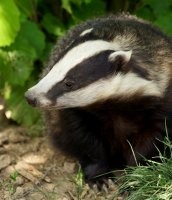
Localised badger culling in response to bovine tuberculosis (TB) outbreaks increases the risk of infection in nearby herds, according to a new analysis.
Localised badger culling in response to bovine tuberculosis (TB) outbreaks increases the risk of infection in nearby herds, according to a new analysis. The study, by researchers at the Medial Research Council (MRC) Centre for Outbreak Analysis and Modelling at Imperial College London, is published today in the Royal Society journal Biology Letters . The findings come as the Government prepares to decide whether to license farmers to organise the widespread culling of badgers over areas of 150 square kilometres or more in western England. Bovine TB is a major animal health problem in Britain. In 2009, one in every 10 cattle herds tested showed evidence of bovine TB, leading to 35,000 cattle being slaughtered. In the last decade, the slaughter of infected cattle has cost around £500 million to the taxpayer. Efforts to control the disease have been hampered by the persistence of Mycobacterium bovis , the bacterium that causes bovine TB, in the wild badger population, and transmission of the disease between species.
TO READ THIS ARTICLE, CREATE YOUR ACCOUNT
And extend your reading, free of charge and with no commitment.