Giving children the power to be scientists
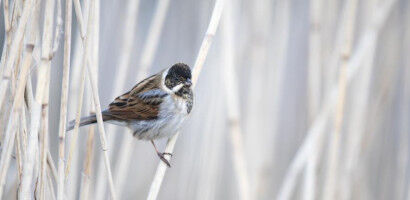
PA 70/11 Children who are taught how to think and act like scientists develop a clearer understanding of the subject, a study has shown. The research project led by The University of Nottingham and The Open University has shown that school children who took the lead in investigating science topics of interest to them gained an understanding of good scientific practice. The study shows that this method of 'personal inquiry' could be used to help children develop the skills needed to weigh up misinformation in the media, understand the impact of science and technology on everyday life and help them to make better personal decisions on issues including diet, health and their own effect on the environment. The three-year project involved providing pupils aged 11 to 14 at Hadden Park High School in Bilborough, Nottingham, and Oakgrove School in Milton Keynes with a new computer toolkit named nQuire, now available as a free download for teachers and schools. Running on both desktop PCs and handheld notebook-style devices, the software is a high-tech twist on the traditional lesson plan — guiding the pupils through devising and planning scientific experiments, collecting and analysing data and discussing the results. The pupils were given wide themes for their studies but were asked to decide on more specific topics that were of interest to them, including heart rate and fitness, micro climates, healthy eating, sustainability and the effect of noise pollution on birds. The flexible nature of the toolkit meant that children could become "science investigators", starting an inquiry in the classroom then collecting data in the playground, at a local nature reserve, or even at home, then sharing and analysing their findings back in class.