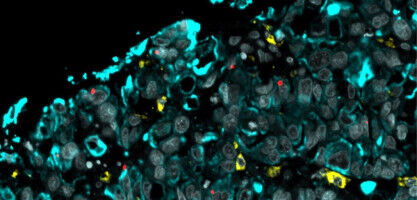
Cell therapy to prevent organ rejection
Researchers at King's College London have used cells found naturally in the body, to re-educate the immune system to prevent rejection of an organ transplant while remaining capable of fighting infections and cancer. Currently, patients must take immunosuppressant drugs to prevent a new organ from being rejected after transplantation. However, these drugs suppress the entire immune system, leaving the patient susceptible to infections and tumours. Scientists say this new approach using immune cells, called regulatory T cells (Tregs), from the body could eliminate the need for immunosuppression, as the Tregs used will only suppress the activity of those cells which will attack the new organ, rather than suppress the whole immune system. The team says these results are encouraging. Ultimately this approach could extend the life of a transplanted organ and in turn, could alleviate the organ shortage problem. The study, published today in Science Translational Medicine , was carried out at King's by scientists in its Medical Research Council Centre for Transplantation.