New study published in NEJM questions WHO guidelines ?
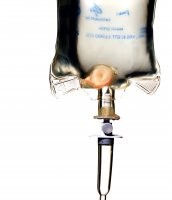
Adapted from a media release issued by the Medical Research Council. Thursday 26 May 2011 Giving fluids rapidly through a drip into a vein (fluid resuscitation) as an emergency treatment for African children suffering with shock from severe infections does not save lives, according to a major clinical trial funded by the Medical Research Council (MRC). The ground-breaking research showed that giving children fluids slowly to replace the needs of a sick child who cannot drink, rather than rapid fluid resuscitation, is safer and more effective in aiding recovery. These findings, published today in the New England Journal of Medicine , challenge current World Health Organization (WHO) guidelines on how best to provide fluids to children in Africa with fever and shock caused by malaria, sepsis and other infections. The trial known as FEAST (Fluid Expansion As Supportive Therapy) involved over 3,000 children in six hospitals across Tanzania, Uganda & Kenya. It examined the effectiveness of a long-standing treatment used across the world called fluid resuscitation. This treatment involves giving seriously ill children large volumes or 'boluses' of intravenous fluids quickly through a drip in their first hour at hospital to try to reverse the deadly effects of shock.
TO READ THIS ARTICLE, CREATE YOUR ACCOUNT
And extend your reading, free of charge and with no commitment.