Scientists get bird’s eye view of how cuckoos fool their hosts
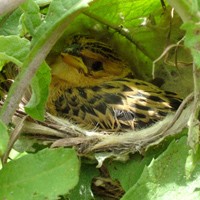
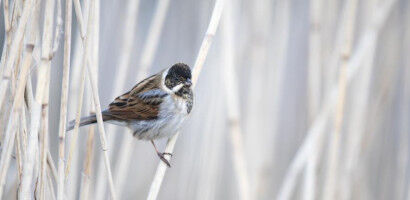
Using field experiments in Africa and a new computer model that gives them a bird's eye view of the world, Cambridge scientists have discovered how a bird decides whether or not a cuckoo has laid an egg in its nest. The finding offers unique insights into a 20 million-year-old evolutionary arms race. Only seven groups of birds in the world have evolved as brood parasites, laying their eggs in other birds' nests, and ecologists have long been fascinated by this behaviour as an example of evolution in action. Dr Claire Spottiswoode and Dr Martin Stevens of the University of Cambridge worked on two tropical African species, the parasitic Cuckoo Finch and one of its hosts, the Tawny-flanked Prinia. Until recently, most work on cuckoos has been done in temperate regions - Europe and North America - where species are relatively young in evolutionary terms. In the tropics, however, the Cuckoo Finch and Prinia could have been locked together in an evolutionary arms race for up to 20 million years. As parasites have evolved ever better manipulation of their hosts, hosts have responded with ever more refined defences to evade parasitism.
TO READ THIS ARTICLE, CREATE YOUR ACCOUNT
And extend your reading, free of charge and with no commitment.