


news 2013
« BACK
 Human foot not as unique as originally thought
 Heart’s own stem cells offer hope for new treatment of heart failure
 New treatment may work with folic acid to prevent neural tube defects like spina bifida
Health
Results 181 - 200 of 538.
Health - 21.08.2013
Insoles provide little arthritis pain relief new study shows
21 Aug 2013 Specially-angled insoles may not do much to relieve pain for people with knee osteoarthritis, suggests a new review of past studies. The research led by The University of Manchester and Boston found that across 12 trials, people who used so-called lateral wedge insoles rated their pain about two points lower on a 20-point scale than those who used flat insoles or none at all.
Health - 20.08.2013
Dogs could act as effective early-warning system for patients with diabetes
Dogs that are trained to respond to their owners' hypoglycaemia could offer a very effective way to alert diabetic patients of impending lowered blood sugars. The findings, published in the journal PLOS ONE , is the first academic study to assess whether trained dogs could be used as a reliable early-warning system to monitor glycaemia control.
Health - 20.08.2013
Research at the University of Liverpool has shown that the mechanisms of the human foot are not as unique as originally thought and have much more in common with the flexible feet of other great apes. Current understanding of the evolution of human walking is based on research from the 1930s, which proposes that human feet function very differently to those of other apes, due to the development of arches in the mid-foot region and the supposed rigidity of that on the outside edge of the foot.
Health - Life Sciences - 16.08.2013
21 ’signatures’ in 30 common cancers
An international team, including scientists from The University of Glasgow and the Garvan Institute of Medical Research, has described the mutational processes that drive tumour development in 30 of the most common cancer types. The discovery could help to treat and prevent a wide range of cancers. Professor Biankin, Regius Chair of Surgery and Director of Translational Research Centre, was part of a team that analysed 7,042 tumours and identified 21 distinct mutational signatures and the cancer types in which they occur.
Health - Life Sciences - 15.08.2013
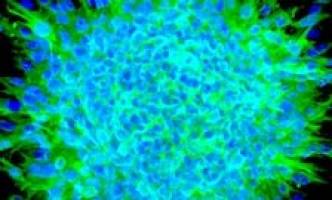
Researchers at King's College London have for the first time highlighted the natural regenerative capacity of a group of stem cells that reside in the heart. This new study shows that these cells are responsible for repairing and regenerating muscle tissue damaged by a heart attack which leads to heart failure.
Life Sciences - Health - 15.08.2013
Bacteria in drinking water are key to keeping it clean
Bacteria commonly found in drinking water creates conditions which enable otherpotentially harmful - bacteria to thrive, says research by engineers from the University of Sheffield. The research, published in the latest issue of Water Science and Technology: Water Supply, points the way to more sophisticated and targeted methods of ensuring our drinking water remains safe to drink, while still reducing the need for chemical treatments and identifying potential hazards more quickly.
Health - Life Sciences - 15.08.2013
Brain scans could predict response to antipsychotic medication
Researchers from The University of Nottingham and King's College London have identified neuroimaging markers in the brain which could help predict whether people with psychosis respond to antipsychotic medications or not. In approximately half of young people experiencing their first episode of a psychosis (FEP), the symptoms do not improve considerably with the initial medication prescribed, increasing the risk of subsequent episodes and worse outcome.
Health - Administration - 15.08.2013
Specialist nurses as good as doctors in managing rheumatoid arthritis patients
Patients attending clinical nurse specialist clinics do not get inferior treatment to that offered by consultant rheumatologists, the results of a major new clinical trial have revealed. The results of the multi-centre trial at the University of Leeds, funded by Arthritis Research UK, showed that there may be some clinical benefit to people with rheumatoid arthritis, whose condition is managed in clinics run by rheumatology clinical nurse specialists, especially with respect to their disease activity, pain control, physical function and general satisfaction with their care.
Life Sciences - Health - 14.08.2013
Breaking up the superbugs’ party
The fight against antibiotic-resistant superbugs has taken a step forward thanks to a new discovery by scientists at The University of Nottingham. A multi-disciplinary research team at the University's Centre for Biomolecular Sciences has uncovered a new way of inhibiting the toxicity and virulence of the notorious superbug, Pseudomonas aeruginosa.
Health - Chemistry - 13.08.2013
New blood stem cell could help solve platelet shortage
A new type of bone marrow stem cell in mice that is primed to produce large numbers of vital blood-clotting platelets has been discovered. The breakthrough could lead to the development of new treatments to restore platelets in patients who have undergone chemotherapy or a bone marrow transplant. A team funded by the Medical Research Council (MRC), and led by scientists at Oxford University's MRC Weatherall Institute of Molecular Medicine, has reported the discovery in the journal Nature .
Life Sciences - Health - 13.08.2013
Appointment boosts neuro research in Plymouth
Dr. Barros obtained her five-year Diploma in Biology from the Lisbon Sciences University, Portugal, followed in 2003 by her PhD from the University of Cambridge. In late 2003, she became a postdoctoral associate fellow in the laboratory of Professor Ulrich Müller at the Dorris Neuroscience Center of The Scripps Research Institute, San Diego, USA.
Health - 12.08.2013
Premature babies found to have smaller hearts in adulthood
Young adults who as babies were born prematurely have smaller hearts with thicker walls than those who were born after full-length pregnancies, an Oxford University study has found. The extent of the differences were unexpected and surprised the researchers. They are part of an emerging picture of changes in the heart, blood vessels and blood pressure of adults born after pregnancies complicated by problems such as preterm birth and pre-eclampsia.
Life Sciences - Health - 12.08.2013
Researchers at the UCL Institute of Child Health (ICH) are investigating a new treatment that could work alongside folic acid to boost its effectiveness and prevent a greater proportion of neural tube defects - such as spina bifida - in early pregnancy. A new study published in the journal Brain shows that the new treatment, when tested in mice, reduced the incidence of neural tube defects (NTDs) by 85 per cent.
Health - Life Sciences - 12.08.2013
Genetic mutations linked to Parkinson’s disease
Researchers have discovered how genetic mutations linked to Parkinson's disease might play a key role in the death of brain cells, potentially paving the way for the development of more effective drug treatments. In the new study, published , a team of researchers from UCL, the University of Cambridge and the University of Sheffield showed how defects in the Parkinson's gene Fbxo7 cause problems with 'mitaphagy' - an essential process through which our bodies are able to get rid of damaged cells.
Health - Life Sciences - 12.08.2013
Genetic mutations linked to Parkinson’s disease
We are really only at the very beginning of this work, but perhaps we can use this information to enable earlier diagnosis for Parkinson's disease patients or design therapies aimed at supporting mitochondrial health. Dr Heike Laman Researchers have discovered how genetic mutations linked to Parkinson's disease might play a key role in the death of brain cells, potentially paving the way for the development of more effective drug treatments.
Health - Chemistry - 12.08.2013
Grapefruit biomolecules may herald new treatment for heart disease
New research published in the 'Biochemical Journal' has identified molecules occurring naturally in fruit that may play an important role in the future treatment of heart disease. Molecules called flavanoids, which are found in citrus fruits - particularly grapefruit - have proven effective at reducing the inflammation which can lead to deadly cardiovascular disease.
Health - Life Sciences - 09.08.2013
The skinny on cocaine
New research suggests chronic cocaine use causes profound metabolic changes, reducing the body's ability to store fat. Chronic cocaine use may reduce the body's ability to store fat, new research from the University of Cambridge suggests. The scientists found that cocaine use may cause profound metabolic changes which can result in dramatic weight gain during recovery, a distressing phenomenon that can lead to relapse.
Life Sciences - Health - 09.08.2013
Autism affects different parts of the brain in women and men
New research sheds light on previously under-researched area of study - females with autism. The findings suggest that we should not blindly assume that everything found in males with autism applies to females. Dr Meng-Chuan Lai Autism affects different parts of the brain in females with autism than males with autism, a new study reveals.
Health - Life Sciences - 08.08.2013
Metabolic ’fingerprinting’ of tumours could help bowel cancer patients
It is possible to see how advanced a bowel cancer is by looking at its metabolic 'fingerprint', according to new research. Bowel cancer is the third most common type of cancer globally, with over one million new cases diagnosed every year. Accurately determining the stage that a tumour has reached is crucial for deciding which treatments to offer.
Administration - Health - 06.08.2013
Centralising acute stroke services has saved more than 400 lives since 2010
New research from UCLPartners, and funded by the NHS in London, has shown that centralising acute stroke services in particular London hospitals has led to significant reductions in both mortality and costs. Before 2010, stroke services in London were provided in 30 acute hospitals across the region.


