


news 2026
« BACK
 Two types of underconfidence linked to anxiety and gender
 Protecting older male athletes’ heart health
 Higher daylight exposure improves cognitive performance
 Test shows when safe to stop antibiotics in sepsis patients
 Novel analysis shows promise for revealing early ovarian cancer signals
Health
Results 41 - 52 of 52.
Health - Pharmacology - 16.01.2026
Natural ’brake’ that could stop harmful inflammation
Researchers at UCL have uncovered a key mechanism that helps the body switch off inflammation - a breakthrough that could lead to new treatments for chronic diseases affecting millions worldwide. Inflammation is the body's frontline defence against infection and injury, but when it doesn't switch off properly, it can drive serious health conditions such as arthritis, heart disease, and diabetes.
Psychology - Health - 15.01.2026
Women and people with anxiety are both prone to low confidence in their own abilities, but a new study by UCL researchers has found that the two groups are prone to two distinct types of underconfidence. When they took more time to reflect on their answers in a simple experimental task, people with anxiety grew less confident in their answers, while women who were underconfident gained confidence.
Health - Chemistry - 13.01.2026
New test could help pinpoint IBD diagnosis
A test that rapidly detects signs of inflammatory bowel disease (IBD) in stool samples could improve future diagnosis and monitoring of the condition. An international team of scientists, including researchers from the University of Glasgow, has developed a tool to measure the activity of a molecule linked to gut inflammation within faecal samples.
Health - Sport - 13.01.2026
Veteran male athletes who have spent years training at high intensity may be at greater risk of serious heart problems while exercising, new University of Leeds research shows. Funded by the British Heart Foundation, the study shows that male endurance athletes aged over 50 may be more likely to experience abnormal heart rhythms during training if they already have scarring in their heart.
Psychology - Health - 12.01.2026
A real world study led by University of Manchester neuroscientists has shown that higher daytime light exposure positively influences different aspects of cognition. The first study of its kind, published in the journal Communications Psychology and funded by Wellcome Trust, also showed that stable light exposure across a week and uninterrupted exposure during a day had similar effects.
Health - Life Sciences - 09.01.2026
Most Alzheimer’s cases linked to variants in a single gene
Potentially more than 90% of Alzheimer's disease cases would not occur without the contribution of a single gene (APoe), according to a new analysis led by UCL researchers. The scientists also found that close to half of all dementia cases would probably not arise without the gene's influence. The researchers say that the findings, published today in npj Dementia , highlight this gene (and the protein it produces) as a powerful yet under-recognised target for drug development, which could have the scope to prevent or treat a large proportion of all dementia.
Pharmacology - Health - 08.01.2026
A simple blood test can tell doctors when it is safe to stop antibiotics in patients recovering from sepsis, a review led by University of Manchester researchers has found. The review including 21 studies involving more than 6,000 patients who underwent blood tests for procalcitonin, a biomarker that becomes elevated during bacterial infections, is published in the journal Anaesthesia today (9/01/26).
Health - Pharmacology - 08.01.2026
System which can spot infections in 20 mins could fight antimicrobial resistance
A new technique which slashes the time taken to diagnose microbial infections from days to minutes could help save lives and open up a new front in the battle against antibiotic resistance, researchers say. Engineers and clinicians from the UK and China are behind the breakthrough system, called Autoenricher.
Life Sciences - Health - 07.01.2026
First ancient human herpesvirus genomes document their deep history with humans
Analysis of ancient DNA has confirmed that certain human herpesviruses became part of the human genome thousands of years ago, in a study involving a UCL researcher. For the first time, scientists have reconstructed ancient genomes of Human betaherpesvirus 6A and 6B (HHV-6A/B) from archaeological human remains more than two millennia old.
Health - 06.01.2026
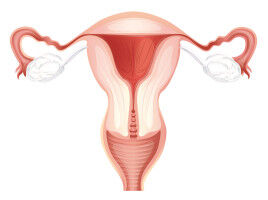
University of Manchester researchers have shown that analysis of fluid flushed through a fallopian tube holds promise for providing insights into molecular changes linked to early ovarian cancer development. The analysis - featured in the journal Clinical and translational medicine - revealed molecular signals that in one case prompted re-examination of archived fallopian tube tissue and led to the retrospective identification of a pre-invasive or very early cancerous lesion.
Pharmacology - Health - 06.01.2026
Stopping weight-loss drugs is linked to faster regain than ending diet programmes
New study finds that stopping weight-loss drugs is linked to faster regain than ending diet programmes People tend to regain weight rapidly after stopping weight-loss drugs - and faster than after ending behavioural weight loss programmes - according to a new systematic review and meta-analysis from researchers in Oxford's Nuffield Department of Primary Care Health Sciences , published in The BMJ today.
Life Sciences - Health - 05.01.2026
From pint to plate: scientists brew up a new way to grow meat
Yeast left over from brewing beer can be transformed into edible 'scaffolds' for cultivated meat - sometimes known as lab-grown meat - which could offer a more sustainable, cost-effective alternative to current methods, according to a new study from UCL researchers. 'Nose to tail' eating, which emphasises the use of the whole animal, has long been an ethos of sustainability-conscious chefs and diners.


