


news 2013
« BACK
 Viruses common complication in malaria patients
 New method of identifying people at a high risk of developing rheumatoid arthritis
 New European study will devise ways to reduce the side-effects of radiotherapy
 Why young people might not heed your warnings
Health
Results 141 - 160 of 538.
Health - Life Sciences - 24.09.2013
Scientists at the University of Liverpool have shown that viral brain infections may be a more important killer in African children than was previously thought. The team, in collaboration with the Liverpool School of Tropical Medicine and scientists from the College of Medicine, Malawi , looked at the role of viral infections in children that presented in a coma, and found that more than one quarter of patients had a virus infecting their brain.
Health - 23.09.2013
Improving survival in dialysis patients
University scientists have published data from a landmark study that explains why survival in patients on peritoneal dialysis is low. Peritoneal dialysis (PD) is a treatment for over 250,000 patients with chronic kidney disease worldwide, using the patient's peritoneum in the abdomen. Currently, only one in ten PD patients survives beyond 10 years on dialysis.
Health - 20.09.2013
Research to change how breast cancer treated
Study shows better overall cosmetic results for women treated using intensity modulated radiation therapy (IMRT). This is a landmark study, with major significance for women with breast cancer. It demonstrates the value to patients, and indeed society, of using modern radiotherapy technology. Professor Neil Burnet Research from the newly formed Cambridge Cancer Centre, a collaboration between the University of Cambridge, Cambridge University Hospitals NHS Foundation Trust, Cancer Research UK and others, could change how women with breast cancer are treated.
Life Sciences - Health - 20.09.2013
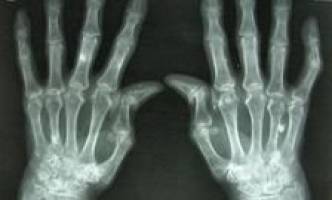
Researchers at King's College London and the University of Manchester, funded by Arthritis Research UK, have developed a new method to identify people that are at a very high-risk of developing rheumatoid arthritis, using a simple blood test and information about their smoking habits. Rheumatoid arthritis is a potentially crippling autoimmune condition that causes pain and inflammation in the joints.
Health - Life Sciences - 20.09.2013
New method of identifying people at high risk of developing rheumatoid arthritis
20 Sep 2013 Researchers at The University of Manchester and King's College London, funded by Arthritis Research UK, have developed a new method to identify people that are at a very high-risk of developing rheumatoid arthritis, using a simple blood test and information about their smoking habits. Rheumatoid arthritis is a potentially crippling autoimmune condition that causes pain and inflammation in the joints.
Health - Life Sciences - 19.09.2013
Propofol discovery may help lead to development of new anaesthetics
New research on the most commonly used anaesthetic drug could help unravel a long-standing mystery about how it induces a pain-free, sleep-like state. General anaesthetics are administered to tens of millions of people every year in hospitals, where they are used to sedate patients undergoing surgery.
Health - 19.09.2013
Missing immune response may prove a vital link for new leukaemia treatments
Patients suffering from leukaemia couldhave their immune system engineered to fight the disease, after scientists at theUniversity of Birmingham discovered that they lacked an immune response to acertain class of proteins which could be restored through stem celltransplants. The discovery may even eventually leadto a vaccination against leukaemia for at risk groups who are found to belacking the necessary immune response - meaning that individuals may then relyon their immune system to kill cancerous cells before the disease takes hold.
Life Sciences - Health - 16.09.2013
Genetic test speeds up diagnosis for children with cataracts
16 Sep 2013 A blood test for children born with cataracts will allow faster diagnosis and more personalised treatment, according to researchers from Manchester. The team, from the Centre for Genomic Medicine at The University of Manchester, have developed a test that checks all genes known to cause congenital cataracts using just one blood sample.
Health - Life Sciences - 13.09.2013
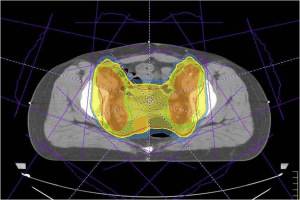
13 Sep 2013 Scientists from The University of Manchester are leading a new European study to come up with methods to reduce the unwanted side-effects of radiotherapy and improve cancer treatment. The research, funded by the European Union* and involving 13 institutions in the UK, France, Germany, Belgium, Italy, Spain, The Netherlands and the US, will identify ways to predict which breast, prostate and lung cancer patients are most likely to suffer long-term side effects.
Health - Life Sciences - 12.09.2013
Meningitis mass vaccination sees cases drop 94%
A mass vaccination campaign in Chad in 2011 reduced all cases of meningitis by 94% and saw no cases of serogroup A meningococcal meningitis detected in 2012. The finding comes from an evaluation by an international team including Oxford University scientists and led by the London School of Hygiene & Tropical Medicine and Centre de Support en Santé Internationale (CSSI) in Chad.
Health - Life Sciences - 12.09.2013
Selflessness can be attractive to a potential mate
Altruistic or selfless behaviour is an attractive trait in a potential sexual partner, according to new research led by researchers from The University of Nottingham and Liverpool John Moores University. Researchers conducted an experiment with 32 women and 35 men, asking them to rate the attractiveness of the opposite sex based on a list of qualities, including attributes that were selfless such as 'he does the shopping for his elderly neighbour', and those that were considered neutral such as preferences for food.
Health - Chemistry - 11.09.2013
Astex Pharmaceuticals acquired by Otsuka
University of Cambridge spin-out Astex Pharmaceuticals is to be acquired by Japanese company in order to accelerate the development of new cancer treatments. This approach has led to a significant change in how the pharmaceutical industry approaches drug discovery Chris Abell The drug discovery company, Astex Pharmaceuticals, has been acquired by the Japanese firm Otsuka Pharmaceutical, in a move which promises to significantly enhance its capacity to develop new therapeutics for cancer.
Health - Life Sciences - 10.09.2013
Campaigns to get young people to stop smoking may find more success by focusing on the positive benefits, such as having more money and better skin, rather than emphasising negative outcomes like increased disease risk, according to UCL research. The study reveals that young people have greater difficulty in learning from bad news and using it to interpret their risk of future events.
Health - 09.09.2013
Further links uncovered between obesity and type 2 diabetes
Researchers have discovered a new mechanism by which obesity leads to type 2 diabetes, raising the possibility of new and more effective treatments. Type 2 diabetes arises when the body is unable to produce sufficient insulin, an essential hormone which facilitates the absorption of glucose into the body.
Health - 09.09.2013
Severe asthma patients less responsive to treatment
People with severe asthma are less likely to respond to the treatment they depend on compared to people with mild asthma, according to new research. The findings come from the first analysis of a study that will collect over three million samples from 300 children and 700 adults, some with severe asthma, some with non-severe asthma, and some without asthma.
Health - 08.09.2013
Yin-yang effect of sodium and chloride presents salt conundrum
'Eat less salt' is a mantra of our health-conscious times and is seen as an important step in reducing heart disease and hypertension. Too much salt in the diet - and specifically sodium - is widely acknowledged as a major risk factor for high blood pressure however, scientists have found that salt's other oft-overlooked constituent chloride might also play an important role.
Health - Life Sciences - 06.09.2013
Hens may select sperm for healthier offspring
Female red junglefowl , the wild ancestor of the domestic chicken, may be able to optimise the immunity of their offspring by selecting sperm after mating with different males. That's the conclusion from a study led by Oxford University researchers published in this week's PNAS. 'In natural populations, males can coerce females and selecting sperm after mating with multiple males is a safer way to control offspring paternity for a hen,' explains Dr Tom Pizzari of Oxford University's Department of Zoology, one of the research team.
Health - Life Sciences - 06.09.2013
Disease-causing genes spread easily in emerging lethal fungus infection
A rare, emerging fungal disease that is spreading throughout Canada and Northwestern USA can easily pass its deadly genes to related fungal strains within the species but less readily to more distant relatives, according to new research from the University of Birmingham. The findings will help to understand the origins of infectious outbreaks and predict the likelihood of the disease spreading to other populations and geographical areas.
Health - Environment - 06.09.2013
Stay healthy during pregnancy to keep lead levels low
New research from the Children of the 90s study at the University of Bristol shows that mothers who drank alcohol and coffee, smoked and had a coal fire in their home during pregnancy were likely to have higher levels of lead in their blood than women who didn't. Dietary calcium and iron seemed to have a protective effect.
Health - Life Sciences - 05.09.2013
University spinout announces positive results from peptide therapeutic trial for patients with relapsing Multiple Sclerosis (MS)
A University of Bristol spinout company that focuses on treating the underlying cause of autoimmune diseases has announced positive results from its peptide therapeutic trial for patients with relapsing Multiple Sclerosis (MS). Apitope, a drug discovery and development company founded by Professor David Wraith in the School of Cellular and Molecular Medicine , completed the second Phase I clinical trial to assess the safety of its peptide therapeutic 'ATX-MS-1467', as well as biological parameters, in a total of 43 patients with relapsing MS.


